

Cell-level intelligence. No hardware changes.
A physics-informed analytics layer that sits between any BMS and your operations center — live in under a day.
Pack voltage tells you almost nothing about cell health
Battery energy storage systems degrade unpredictably because operators rely on lagging voltage and SoC readings rather than cell-level electrochemical telemetry.
Grid-scale BESS operators — independent power producers, utility asset managers, and storage project developers — have invested in significant hardware capacity without the analytics layer to match. BMS firmware surfaces aggregate pack metrics: voltage, temperature, state of charge. These readings are electrical averages that mask what is happening at the cell level.
A cell drifting toward thermal runaway, a rack developing micro-short circuit precursors, an electrolyte composition shifting in ways that will cause irreversible capacity loss six weeks from now — none of these appear in pack voltage until the damage is already propagating. By then, the window for planned intervention is closed.
The result: unplanned downtime that erodes project economics, warranty disputes operators cannot support with evidence, and safety incidents that damage both assets and the business case for storage investment at the scale the grid requires.
The Operational Cost
From raw telemetry to dispatched work order in three steps
Cellanchor requires no hardware modifications. The platform connects to your existing BMS infrastructure and returns actionable intelligence within 24 hours of deployment.
Connect existing infrastructure
Cellanchor ingests raw telemetry from battery management systems via OPC-UA, Modbus TCP, and CAN bus adapters — cell voltage, temperature, current, and impedance spectroscopy readings at up to 10 Hz polling frequency across the full rack stack. An AWS IoT Greengrass edge agent handles on-site low-latency pre-processing for large deployments. No new sensors, no hardware modifications, no site downtime during deployment.
Physics-informed model fusion
A physics-informed digital twin model fuses streaming cell telemetry with electrochemical degradation models — SEI layer growth, lithium plating detection, and electrolyte decomposition signatures — to compute per-cell State of Health, remaining useful life, and anomaly risk scores in real time. Gradient-boosted fault classifiers trained on 4,200 documented cell failure events detect early-warning signatures up to 72 hours before measurable capacity loss across LFP, NMC, and other chemistries.
Actionable outputs to every system
Operators receive a live cell-level health dashboard with ranked anomaly alerts, predicted RUL curves per rack, automated maintenance dispatch recommendations, and exportable warranty-documentation reports. Integration endpoints push critical alerts to SCADA, CMMS, and operator mobile via REST and webhook. Report packages export in formats compatible with IEC 62619 Section 8.3 and NERC CIP compliance frameworks.
Five capabilities. Each grounded in electrochemistry.
Not a general IoT platform repurposed for batteries. Built specifically for the electrochemical behavior of lithium-based grid storage cells.
Cell-Level Health Scoring
Traditional BMS firmware surfaces aggregate pack voltage and temperature, masking individual cells that are drifting toward failure. Cellanchor's physics-informed digital twin tracks each cell's capacity fade, internal resistance rise, and lithium-plating risk independently. A ranked health score from 100 to 0 gives operators a prioritized view of which cells need intervention before they cause a cascade event. Scores refresh every 60 seconds and are stored in a 24-month time-series archive for trend analysis and warranty documentation.

72-Hour Anomaly Prediction
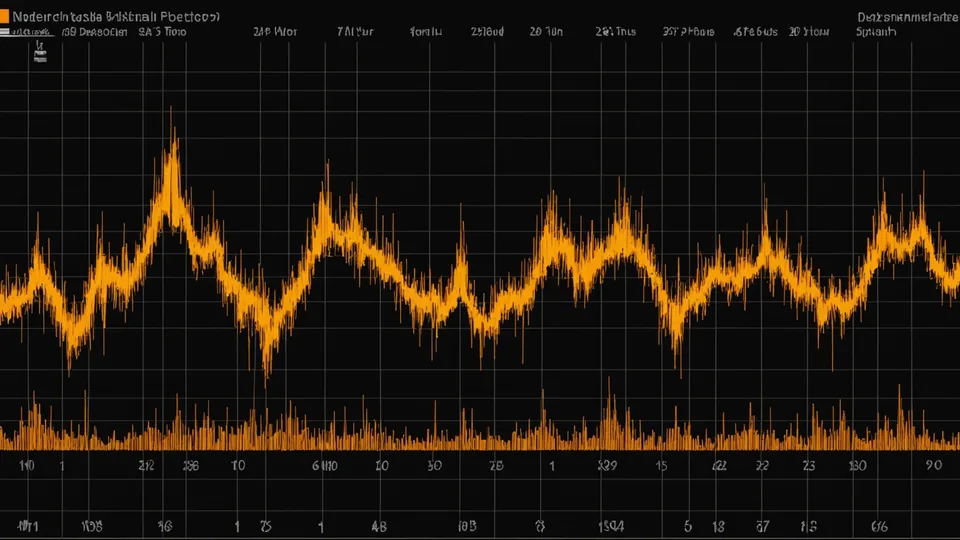
Cellanchor's fault classification engine monitors 47 electrochemical signature patterns — from micro-short circuit precursors to electrolyte gas accumulation indicators — using models trained on 4,200 documented cell failure cases across LFP, NMC, and related chemistries. When a signature cluster exceeds a calibrated risk threshold, the platform triggers a tiered alert: watch, advisory, or critical. Each alert includes a probable cause, expected degradation trajectory, and recommended corrective action.
Remaining Useful Life Forecasting
Asset managers and project finance teams need bankable capacity projections to model future revenue and plan repowering decisions. Cellanchor's RUL engine combines physics-based degradation curves with observed cycling data to produce probabilistic forecasts at the rack level. Outputs include P10/P50/P90 capacity bands, remaining cycle life estimates, and a recommended end-of-commercial-life date. Reports are formatted for compatibility with IEC 62619 and ASTM E3196 standards.

Automated Maintenance Dispatch
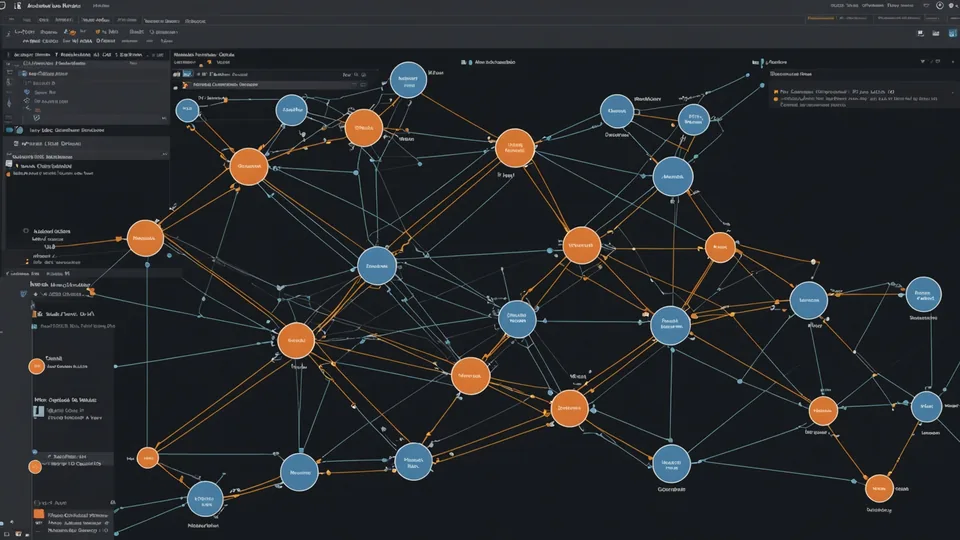
When a cell or rack crosses an advisory or critical alert threshold, Cellanchor automatically generates a structured work order containing the affected rack address, fault classification, recommended inspection checklist, and parts list cross-referenced against site spare inventory. Work orders push via webhook to ServiceNow, IBM Maximo, or SAP PM, or dispatch as push notifications to field technician mobile through the Cellanchor companion app.
Warranty & Compliance Reporting
Battery warranty disputes typically fail because operators cannot produce cell-level performance records proving operation remained within manufacturer-specified parameters. Cellanchor maintains a tamper-evident, timestamped log of all cell telemetry, anomaly events, and maintenance actions at the resolution required by IEC 62619 Section 8.3 and NERC CIP compliance frameworks. One-click report packages reduce warranty claim preparation from weeks to under 30 minutes.
Connects to the protocols your site already runs
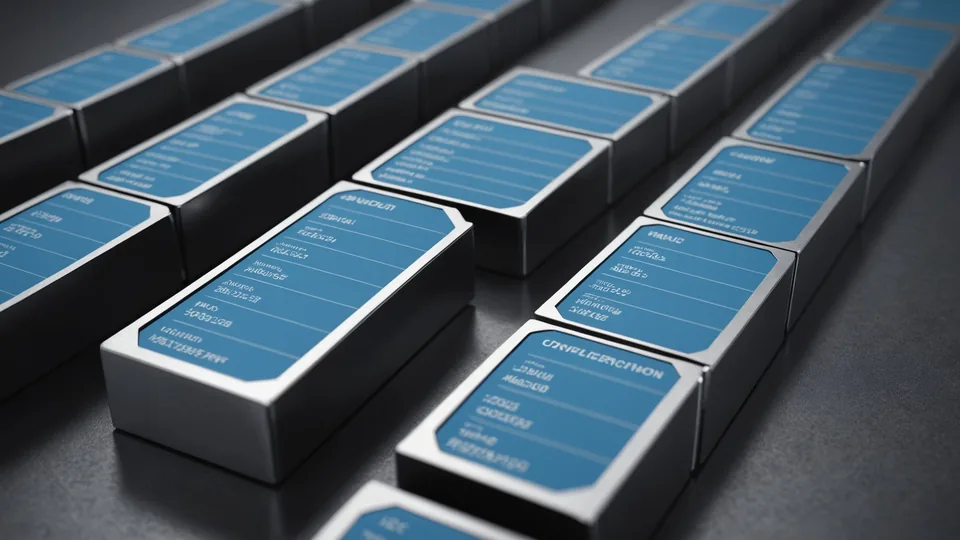
Cellanchor speaks the languages of grid storage infrastructure. No proprietary hardware, no new middleware.
Built for grid-scale BESS operators
Cellanchor is purpose-built for the operational context of utility-scale storage — not adapted from an EV fleet tool or residential energy monitor.
Cellanchor is designed for:
Grid-scale BESS project operators, independent power producers (IPPs), and utility storage asset managers who run 10–250 MW projects across one or more ISO/RTO regions.
- IPPs and developers operating BESS projects in US ISO/RTO markets
- Utility storage asset management teams managing multi-site portfolios
- BESS project operators responsible for PPA performance compliance
- O&M contractors handling multiple storage sites under service agreements
- Asset finance teams needing bankable RUL data for PPA renegotiations or asset sales
Not the right fit for:
- Behind-the-meter residential or small commercial storage below 100 kWh
- EV fleet operators whose primary concern is charge scheduling, not cell degradation forensics
- Battery manufacturers seeking manufacturing QC tooling rather than field operations analytics
- Sites with no digital BMS or with only manual data logging infrastructure
Run the model on your site data
Bring a Modbus export, a SCADA historian CSV, or a description of your BMS configuration. We will run a cell-health analysis on your data and walk through the results together.